
Why Every Lash Artist Should Use Magnifying Glasses
Every lash, fan, and attachment point affects the final result. As standards in lash artistry rise, the tools must keep pace. Magnifying glasses give artists a clearer view of what the naked eye struggles to see, allowing for cleaner isolation, more accurate placement, and fewer errors.
For work measured in millimetres, this level of visibility helps artists improve faster, especially those still building foundational skills.
The Skills Magnifying Glasses Help You Improve

Magnifying glasses do more than enlarge what you see. They act as a practical training aid, sharpening the core abilities every lash artist relies on. With a clearer visual field, concepts that once felt difficult to grasp become easier to execute with confidence.
Rather than working from guesswork, artists can observe their own movements in detail and correct issues in real time. This ability to assess and adjust with precision leads to measurable improvements across key skills, from isolation to lash direction to fan placement.
Faster Isolation Mastery
Isolation is one of the first big hurdles for new lash artists. Separating a single natural lash from the rest can feel like trying to pick out one thread in a tightly woven fabric.
Without added visibility, baby lashes and finer, lighter hairs can disappear into the lash line, which leads to slower work and avoidable mistakes. Magnifying glasses remove this difficulty by enlarging the area you are working on, making each lash stand out clearly.
With the lash line more defined, isolation becomes quicker and more assured, cutting down the time it takes to truly master this essential skill.
Improved Lash Direction Control
The overall look of a lash set depends heavily on consistent direction and alignment. Getting that smooth, uniform flow means placing each extension at just the right angle.
Magnification gives you a much closer view of where the extension meets the natural lash. You can immediately see how the base is sitting and make tiny adjustments before the adhesive sets.
This clearer visibility leads to neater, more intentional direction control and a polished finish your clients will notice.
Cleaner Attachment Technique
A solid attachment is what keeps extensions comfortable and long-lasting. Issues like excess adhesive, poor bonding, or placing the extension too far from the lash line often go unnoticed when relying on natural vision alone.
With magnification, the attachment point becomes far more visible. You can assess the adhesive amount, check that the extension wraps correctly, and confirm the placement is exactly where it should be. This results in stronger retention, fewer irritations, and better overall comfort for your clients.
Better Volume Fan Placement
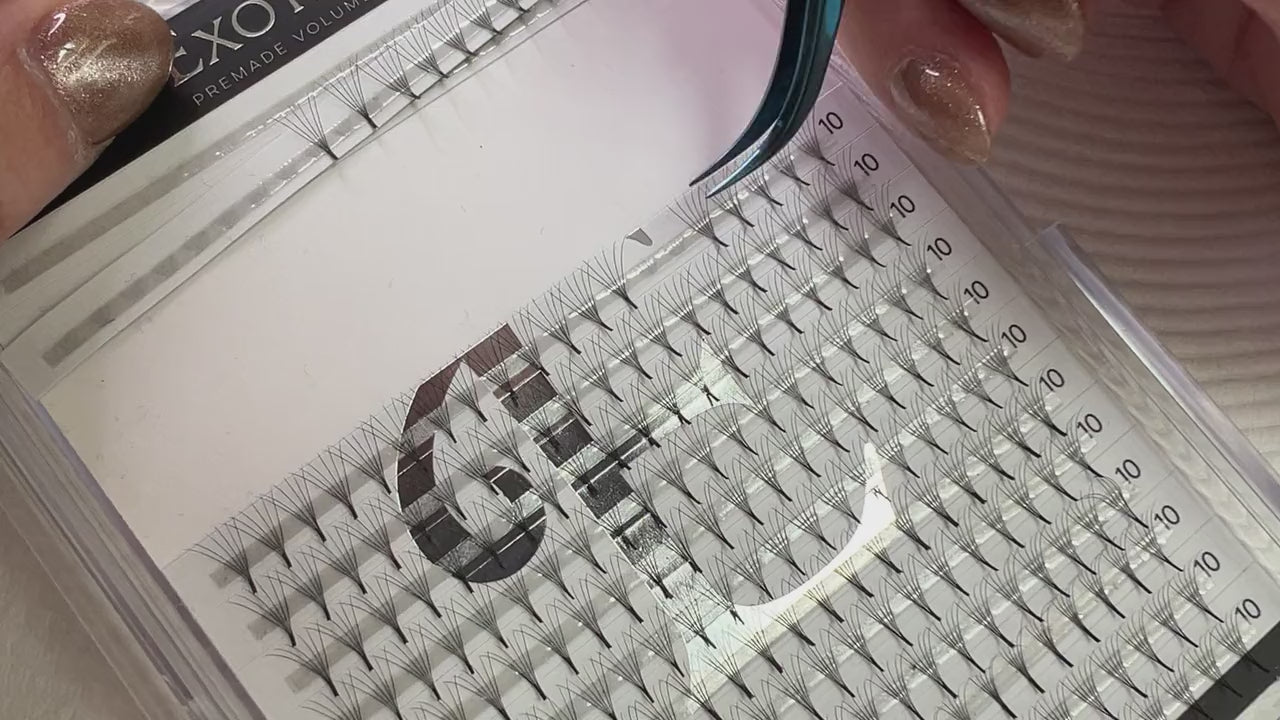
Creating volume fans requires accuracy at every stage, from forming the fan to attaching it cleanly at the base of the natural lash.
Magnifying glasses let you inspect the fan's symmetry before it even reaches the eye. During application, they help you guide the base into the right position so it sits upright and doesn’t twist, lean, or stick to neighbouring lashes. This level of precision is what elevates volume work from good to outstanding.
What Magnifying Glasses Reveal That the Naked Eye Misses

Using magnification is like switching from low light to full clarity. Details that were once difficult to notice suddenly become obvious, allowing you to work with far more intention. This sharper view positions you as someone who actively protects your clients’ lash health.
Catching small issues early not only strengthens results but also reinforces trust. The concept is well-established across many fields where precision matters: from forensic work to biological study, professionals use convex lenses to reveal what ordinary vision cannot.
Lash Health Indicators
Magnifying glasses turn every appointment into an opportunity to quickly assess the condition of your client’s natural lashes. You can examine the thickness and strength of the lash shaft, look for breakage or signs of chemical stress, and identify changes in growth patterns. Has the lash line thinned out since the last visit? Are the natural lashes showing weakness or dryness?
By recognising these patterns early, you can guide clients on better aftercare, suggest a nourishing serum, or recommend a brief rest from extensions to help their lashes recover. This type of proactive assessment demonstrates genuine expertise.
Lash Mite Visibility (Demodex)
Demodex mites are a normal part of the skin’s ecosystem, though an overgrowth can cause irritation and affect lash health. One of the clearest signs is a waxy, tube-like buildup at the base of the lashes, which is extremely hard to detect without magnification.
Spotting this buildup allows you to address the issue sensitively and professionally. You can recommend a tea tree-based cleanser and establish a routine that restores balance to the lash line. This reinforces your role as a knowledgeable professional who looks after more than just the cosmetic result.
Adhesive or Residue Buildup from Previous Sets
A fresh set can only perform well when the natural lashes are completely clean. Even after cleansing, tiny traces of old adhesive, makeup, or skin debris can remain and weaken the bond of new extensions.
Magnification allows you to inspect each lash closely and remove anything that standard cleaning might miss. Starting with a debris-free base improves retention, strengthens bonds, and supports better long-term lash hygiene for your clients.
Micro Stickies Before They Become a Problem
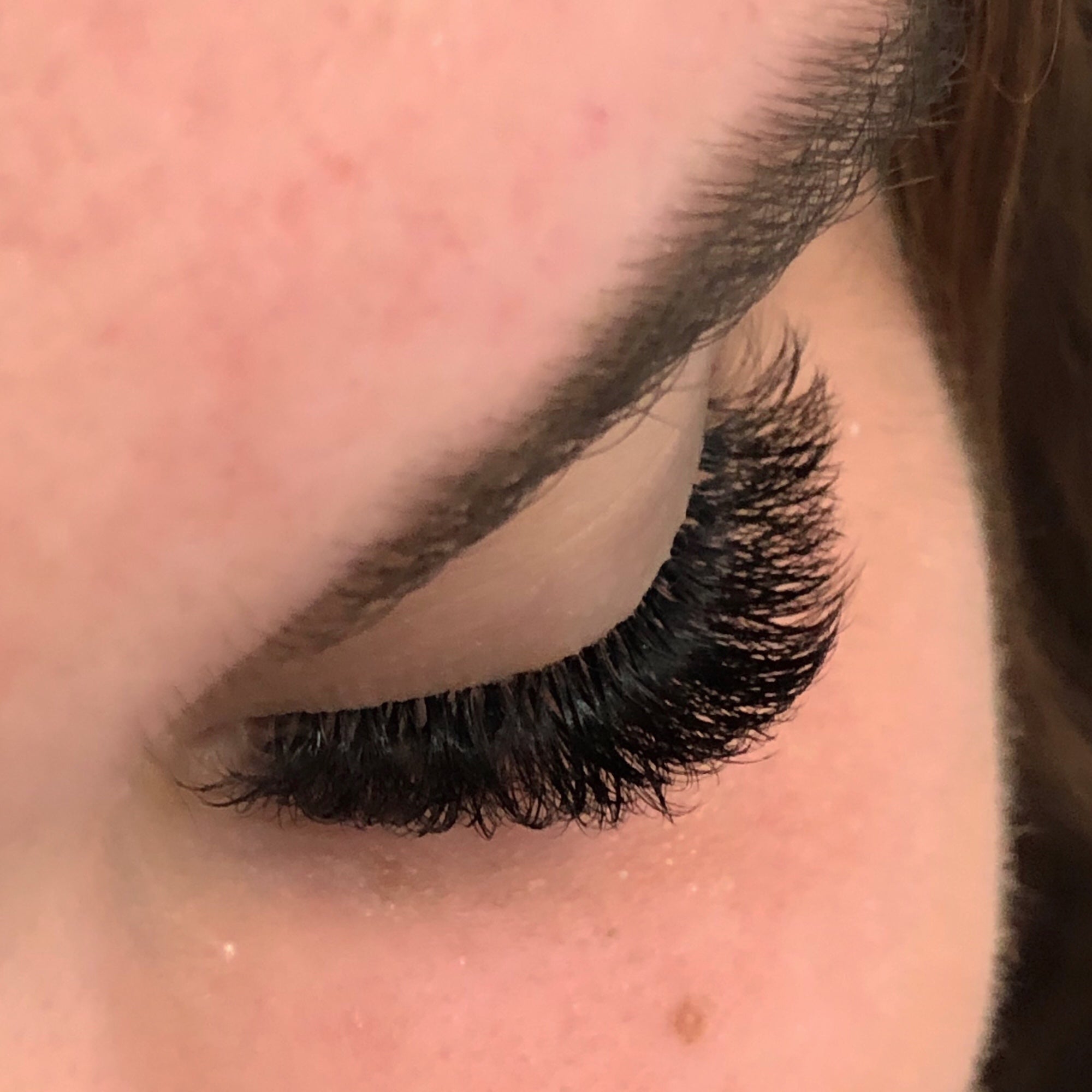
Most artists routinely check for visible stickies at the end of an appointment. Micro stickies are harder to detect. This occurs when an extension is correctly bonded to a mature lash but is also lightly stuck to a nearby baby lash. To the unaided eye, the set may appear perfect. Under magnification, the small attachment becomes obvious.
If left uncorrected, the rapid growth of the baby lash can tug on the mature lash, leading to discomfort and premature shedding. Magnification makes it possible to identify and separate these tiny connections, supporting a healthier lash cycle and a more comfortable wear for your clients.
Setting Yourself Up: How to Work With Magnification Smoothly
Transitioning to working with magnifying glasses can take a little getting used to, but a proper setup makes all the difference. Initially, the altered depth perception might feel strange, but your eyes and brain will quickly adapt.
The key is to create an ergonomic and efficient workspace that accommodates your new tool. Ensure your lighting is bright and targeted, as good light is a magnifier's best friend.
Adjust your stool and client bed to maintain excellent posture, preventing any neck or back strain. Give yourself time to practise on a mannequin head or during shorter fills to build confidence before tackling a full set. A smooth adjustment period will ensure your magnifiers become a seamless extension of your vision.
Recommended Magnifiers from Exotique Lashes
Magnification is one of the simplest ways to improve precision, protect your eyes, and strengthen your core lash skills over time.
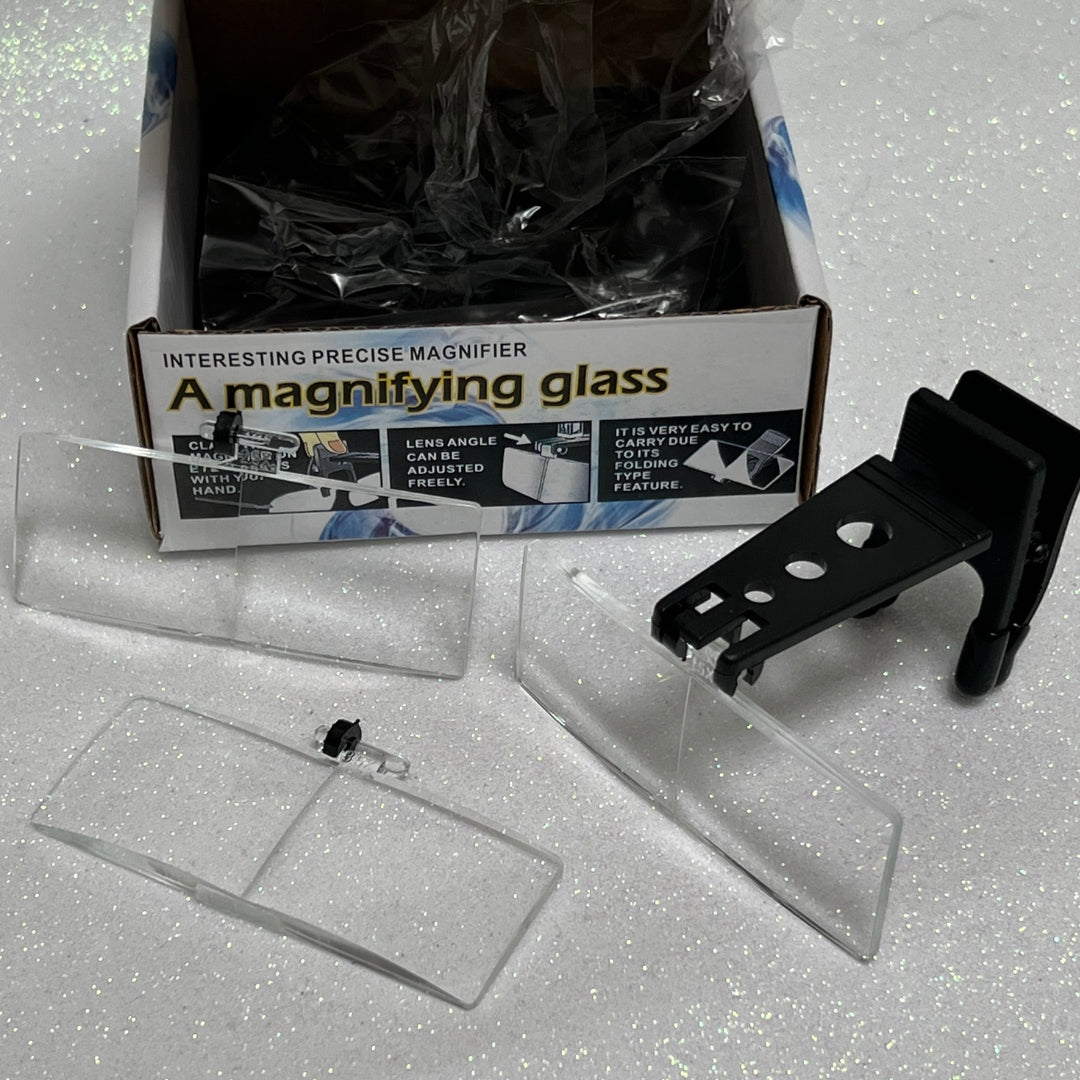
For artists wanting clearer visibility without added strain, the Exotique Lashes magnifying glasses offer interchangeable lenses and a lightweight fit that works comfortably over prescription frames.
With three lens strengths included, you can adjust your magnification to suit any service, from isolating fine baby lashes to perfecting delicate volume fan placement. Their ergonomic design keeps your posture relaxed and your focus sharp, making long appointments far more comfortable.
If you're ready to elevate your accuracy and ease of work, explore these magnifying glasses along with the full range of professional tools available at Exotique Lashes. They’re simple upgrades that make a real difference in your technique and your clients’ results.

Leave a comment
This site is protected by hCaptcha and the hCaptcha Privacy Policy and Terms of Service apply.