

The Ultimate First Client Kit for Lash Artists (Everything You Really Need)
The Essential Product Checklist Every New Lash Technician Needs Before Their First Client
You've completed your training. Your certificate sits in its frame, waiting to go on the wall. Now you're staring at your empty kit bag, scrolling through supplier websites, wondering what you actually need to buy before your first client arrives next week.
The temptation is to buy everything. Every adhesive type. Every curl. Every tool the Instagram lash artists showcase in their perfectly curated kit photos. But that approach leads to a very specific problem: spending two thousand pounds before you've earned your first one.
This guide shows you exactly what you need, using a three-tier system that prevents overspending whilst ensuring you're properly equipped. You'll start with the essentials that get you working safely, then add improvements as you earn, and finally expand your services when clients actually request them. No guesswork. No waste.
The £2,000 Mistake Most New Lash Techs Make

Photo by Lany-Jade Mondou on Pexels
New lash technicians often buy everything suppliers recommend. Volume fan makers. Lash lift kits. Fifteen different adhesive formulations. Coloured lashes in eight shades. Heated lash curlers. The lot.
This mirrors a pattern seen across new hobbies. People frequently regret purchasing expensive gear for activities before they know what they'll actually use. The fishing rod that cost three hundred pounds. The camera equipment that sits in a cupboard. The musical instrument that seemed essential until reality arrived.
For lash technicians, this typically looks like buying a complete lash lift kit when you haven't mastered classic extensions yet. Purchasing volume lashes in every diameter when your first twenty clients will request natural looks. Stocking adhesives with one-second dry times when you're still learning placement technique.
The financial pressure starts immediately. You've spent two thousand pounds. You need to book clients fast to justify the investment. But you're still building confidence, still learning what clients actually want, still discovering which products you prefer working with. That pressure doesn't help anyone perform better.
If you've already overspent, you're not alone. Most people do. What matters now is spending strategically from this point forward.
The Three-Tier Reality: What You Actually Need to Start
Here's how this works. Tier 1 gets you working. Tier 2 improves client experience. Tier 3 expands services.
This approach matches spending to actual income as your business grows. You invest three to four hundred pounds initially, then use earnings from your first clients to fund the next level. No debt. No financial stress before you've proven the business works.
Professional work doesn't require professional-level everything on day one. Starting with simple goals and building consistency matters more than having every possible tool. Master the fundamentals with basic equipment, then expand as your skills and client base develop.
Tier 1: The Non-Negotiables (£300-£400)
This tier covers everything that directly touches clients or affects safety. You cannot skip these items.
Your essential list: one medium-drying adhesive, classic lashes in core sizes, two pairs of tweezers (isolation and application), primer, remover, eye patches, micro brushes, and tape. Add a treatment bed or reclining chair if you don't already have one.
This budget gets you through your first ten to fifteen clients safely and professionally. The quantities matter. One adhesive bottle. Three to four lash trays in your most-used lengths and curls. One pair of isolation tweezers. One pair of application tweezers. Fifty eye patches. One hundred micro brushes.
These aren't arbitrary numbers. One adhesive bottle lasts eight to twelve weeks with proper storage. Three to four lash trays serve fifteen to twenty clients before you need to reorder. The quantities align with how quickly you'll actually use products, preventing waste from expired adhesive or unused lash trays.
Tier 2: The 'After Your Third Client' Additions (£150-£200)
These items improve efficiency and client comfort. Buy them with earnings from your first few clients, not from your initial investment.
Additional lash curl types beyond your starter set. Backup tweezers so you're never stuck mid-treatment. Better quality eye patches that don't irritate sensitive skin. Lash shampoo for clients who need it. Aftercare products you can retail.
By client three, you'll know which lash curls your clients actually request. You'll understand whether most want natural C curls or dramatic D curls. You'll have discovered which eye patches work best for your technique. This knowledge prevents buying products you'll never use.
These additions reduce treatment time and increase client satisfaction. That justifies the investment. But they're improvements, not essentials. Your first three clients won't notice their absence if your technique is solid.
Tier 3: What Can Wait Six Months
Volume lashes. Coloured lashes. Lash lift supplies. Advanced adhesives with faster dry times. Heated lash curlers. Magnifying lamps.
These expand service offerings, but you don't need them until you've mastered classics and built a client base. Consistent practice over six to eight weeks forms sustained habits. Apply that principle here. Six months of consistent classic lash work builds the foundation you need before adding complexity.
Wait until clients specifically request these services. Wait until you feel limited by your current offerings. Then invest in growth, not speculation.
These items aren't unimportant. They're growth investments for the right time. That time isn't week one.
Where to Spend More (and Where to Save)

Not all products deserve the same budget allocation. Some items directly affect results or safety. Others are purely functional.
Smart spending in specific areas prevents client complaints and redo work. But throwing money at every product doesn't improve outcomes. You need to know the difference.
The Four Items Worth Buying Premium Versions Of
Adhesive, tweezers, lashes themselves, and primer. These four items justify premium pricing.
Cheap adhesive causes poor retention. Clients return after three weeks instead of six. They assume you're inexperienced. They don't rebook. Your reputation suffers before you've built one. Spend £15 instead of £8. The difference pays for itself in client retention.
Quality tweezers last years and prevent hand fatigue. Cheap ones misalign within weeks, making isolation difficult and slowing your work. A £25 pair versus a £10 pair isn't extravagance. It's preventing repetitive strain and maintaining precision.
Premium lashes hold curl better and look more natural. Clients notice. They might not understand why their lashes look better than their friend's, but they see the difference. That difference drives referrals.
Proper primer ensures adhesive bonds correctly. It affects retention as much as the adhesive itself. This isn't the place to save three pounds.
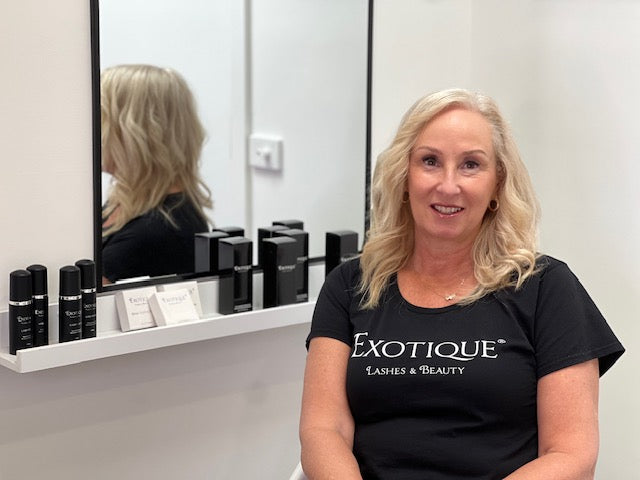
For expert guidance on which specific products deliver the best results, Exotiquelashes can help you navigate the options without the marketing noise.
The Five Things Where Budget Options Work Perfectly
Micro brushes, tape, eye patches, lash trays or organisers, and cleaning supplies. Save money here.
Budget micro brushes work identically to premium ones. You discard them after one use anyway. The expensive version doesn't apply primer better or last longer. It just costs more.
Tape holds eye patches in place. The £4 roll does this as effectively as the £12 roll. Eye patches sit under the eye. Mid-range versions work as well as premium ones for most clients.
Lash organisers keep your trays tidy. A £15 acrylic organiser functions identically to a £40 one. Cleaning supplies remove adhesive residue. The budget option cleans just as thoroughly.
Saving here frees up budget for the premium items that actually matter. That's strategic spending, not corner-cutting.
Your First Order: The Actual Shopping List

This is the exact order you should place today to be ready for your first client tomorrow. These specific recommendations cover the widest range of clients with minimal waste.
Adhesives: Which One for Your First 10 Clients
Start with one medium-drying adhesive. Three to four second dry time. Suitable for beginners.
This gives you time to position lashes correctly without rushing. Fast-drying adhesives with one to two second dry times demand speed you haven't developed yet. They cause mistakes. Mistakes cause poor retention. Poor retention causes client complaints.
Buy one 5ml bottle. It lasts approximately eight to twelve weeks with proper storage. Don't buy multiple bottles. Adhesive degrades once opened. The usable life is six to eight weeks after breaking the seal, regardless of how much you've used.
Storage matters. Keep it sealed in a cool, dark place. Not the bathroom. Not near a window. Proper storage extends the usable life and maintains bonding strength.
Lashes: The Two Lengths and Three Curls That Cover 90% of Clients
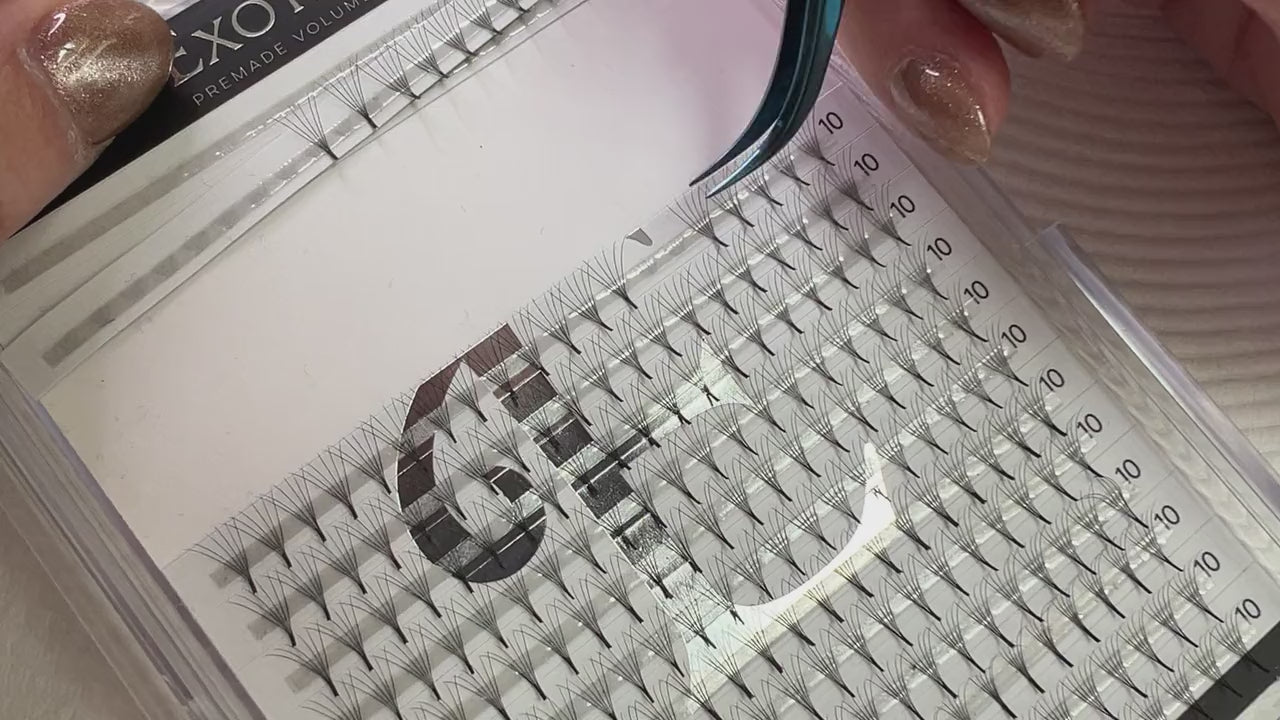
10mm and 12mm lengths. C, D, and CC curls. Six trays total.
This combination suits most eye shapes and client preferences from natural to dramatic looks. You can create subtle enhancement with 10mm C curls or noticeable drama with 12mm D curls. The range covers what clients actually request.
One tray of each serves approximately fifteen to twenty clients. That's enough to validate which combinations you use most before investing in additional lengths.
8mm and 14mm can wait. You'll encounter clients who need them eventually, but not in your first month. Don't buy full length ranges from 6mm to 15mm initially. Most of those trays will sit unused whilst the adhesive expires.
If you're looking for guidance on which specific lash types work best for different client needs, the team at Exotiquelashes specialises in helping new technicians make informed product choices. You can explore their range and articles for detailed advice.
Tools and Consumables: Exact Quantities to Avoid Waste
Two pairs of tweezers (one isolation, one application). One hundred micro brushes. One roll of tape. Fifty pairs of eye patches. One primer bottle. One remover bottle.
These quantities serve approximately fifteen to twenty clients before reordering. They align with how quickly you'll actually use products, preventing the common mistake of buying in bulk before you know your preferences.
Bulk buying seems economical. But products expire. Your technique evolves. You discover you prefer different eye patches or a different primer formulation. Buying small quantities initially gives you flexibility to adjust without waste.
Backup tweezers prevent panic if your main pair needs cleaning mid-treatment. It happens. Having a second pair means you continue working instead of stopping to sterilise.
One often-forgotten item: a small bin with a lid. You need somewhere for used micro brushes and patches. A proper bin keeps your workspace professional and hygienic.
The Kit That Grows With You

Starting with £300-400 of essentials prevents the £2,000 mistake whilst maintaining professional standards. You're not compromising quality. You're spending strategically.
The three-tier system works because it matches investment to reality. Tier 1 gets you working. Earnings from those first clients fund Tier 2 improvements. Tier 3 expansions happen when clients actually request new services, not when suppliers suggest you might need them.
Your kit will naturally expand based on real client needs, not speculation. That's how sustainable businesses grow. Build routines through consistency, then expand capabilities as demand proves itself.
Review the Tier 1 list. Place your first order this week. You'll be ready for your first client without the financial pressure that comes from overspending on products you don't need yet.


Leave a comment
This site is protected by hCaptcha and the hCaptcha Privacy Policy and Terms of Service apply.