
Classic vs Volume Lash Extensions: Which Technique Should Beginner Lash Artists Learn First?
Every beginner lash artist faces the same choice after finishing their TAFE course: start with individual lashes or jump straight into volume. Most courses teach both techniques, but they rarely explain which one you should actually master first. The assumption seems to be that you'll figure it out as you go.
You won't. Or at least, not efficiently.
This article gives you a specific learning pathway based on skill development, not what's trending on Instagram. If you want to build a solid foundation that lets you offer both techniques confidently, the sequence matters more than you think.
Why This Choice Matters More Than You Think
Your first technique becomes your foundation for everything else you'll learn. Start with the wrong one, and you'll spend months relearning basics you should have nailed from the beginning. This isn't dramatic advice. It's practical: time wasted relearning isolation or hand stability is time you could have spent building your client base.
The issue isn't that volume lashes are too hard for beginners. It's that volume requires you to juggle multiple skills simultaneously before you've mastered any of them individually. When you're still learning to isolate natural lashes properly, adding fan-making and weight distribution on top creates a mess. You'll develop bad habits trying to compensate for skills you haven't built yet.
What individual lashes actually teach you
Individual lashes force you to focus on core skills one at a time: isolation, placement accuracy, adhesive control, and working with natural lash direction. You're dealing with one extension at a time, which means you can concentrate on getting each movement right without the added complexity of creating and placing fans.
These fundamentals transfer directly to volume work later. If you can isolate cleanly with individuals, you can isolate for volume. If you can control adhesive pickup and placement with one lash, you can do it with a fan. The skills stack. They don't replace each other.
Why volume feels harder (and what that means for beginners)
Volume is technically demanding because you're creating fans, maintaining symmetry across multiple lashes, and controlling several extensions at once. You need all the individual lash skills plus fan-making technique and an understanding of weight distribution. If your isolation isn't solid, you'll stick natural lashes together. If your hand shakes, your fans will collapse or look uneven.
This doesn't mean you should avoid volume. It means you should recognise that you're adding complexity before your basics are solid. That's a choice, and it has consequences for how quickly you'll improve.
The Real Skill Gap Between Individual and Volume

The difference between individual and volume isn't just about technique preference. There's a genuine skill gap that beginners underestimate. Understanding exactly what makes volume harder helps you decide whether you're ready for it or whether you need more time with individuals first.
Isolation: the foundation skill you can't skip
Isolation means separating one natural lash from the others without sticking them together. It sounds simple. It rarely is, especially when you're working with clients who have dense, crossing, or downward-growing lashes.
With individual lashes, poor isolation means you've stuck one lash to another. It's fixable, and the damage is limited. With volume, poor isolation means you've attached a fan to multiple natural lashes, creating tension and potential breakage across an entire section. The consequences scale up fast.
Here's the practical test: if you're still occasionally sticking natural lashes together when doing individual sets, you're not ready for volume on paying clients. You need more repetitions to build that skill before adding fan-making on top.
Hand stability and why volume exposes every shake
Individual lashes are forgiving because you're controlling one extension at a time. If your hand shakes slightly, you can usually adjust and place the lash accurately enough. Volume fans collapse or become uneven with any hand tremor or inconsistent pressure. The multiple lashes amplify every small mistake.
If your hands shake when you're tired, nervous, or working on a tricky section, master individuals first. You'll build the muscle memory and control that makes volume work possible. Trying to develop hand stability while also learning to make fans is inefficient.
Speed expectations: what's realistic in your first 50 clients
Individual full sets take beginners 2-3 hours. Volume sets take 3-4+ hours, sometimes longer if you're still learning to create consistent fans. Speed comes from repetition of the same movements, which is why starting with simpler techniques builds speed faster.
Don't expect quick mastery. Around 50 clients is when you'll start feeling competent, not expert. That's roughly when your hands stop fighting you and the process starts feeling natural. If you're splitting those 50 clients between individuals and volume from day one, you're slowing down progress on both.
Where Most TAFE Students Get It Wrong

These are common mistakes you can avoid by learning from others' experiences. They're understandable errors. Most beginners make at least one of them.
Jumping to volume before your isolation is solid
You finish your TAFE course, scroll through Instagram, and see volume lashes everywhere. Mega volume, wispy volume, hybrid sets. Individual lashes start looking basic or outdated. You want to offer volume immediately because that's what seems to get attention.
The consequence: you create poor retention and risk damaging natural lashes because you're still sticking them together. Clients don't come back, and you don't understand why. You blame your adhesive or your tweezers when the real issue is that you skipped foundational practice.
The fix: complete at least 15 individual lash clients before attempting volume on paying clients. Use those 15 sets to nail your isolation and placement. Then introduce volume gradually through hybrid sets before moving to full volume.
Practising on mannequins too long (or not long enough)
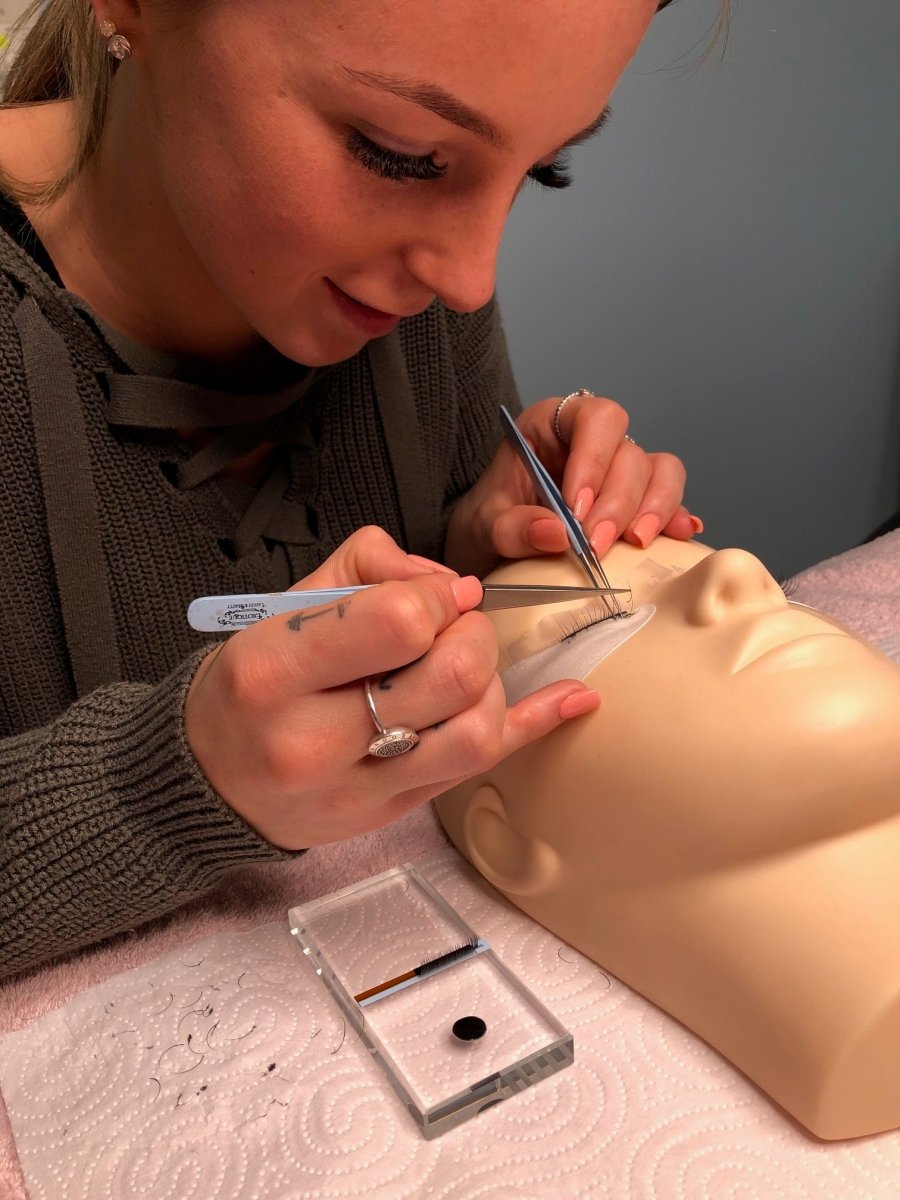
Mannequins teach hand positioning and basic technique, but they don't move, blink, or have varied lash conditions. If you practice exclusively on mannequins for months, you'll struggle when you face real clients who fidget, have sparse lashes, or need breaks.
Skipping mannequin practice entirely and going straight to live models is equally problematic. You'll waste your models' time fumbling through basic placement and adhesive control that you could have sorted out on a mannequin in your own time.
Do 5-10 mannequin sessions to learn placement and get comfortable holding your tweezers. Then move to live models to develop real skills. Mannequins are for learning the mechanics. Models are for learning to work with actual lashes and actual people. For more guidance on building your skills, check out our Articles section.
Choosing based on what's trendy instead of what builds skills
Volume and mega volume dominate social media, which makes individual lashes seem outdated or less valuable. But client demand includes plenty of natural, individual lash looks. Older clients, professionals who work in conservative industries, and people who want subtle enhancement all prefer individuals.
Mastering individuals first means you can offer both techniques and actually deliver quality volume later. Rushing into volume because it's trendy means you'll struggle with both and build a reputation for inconsistent work.
Your 6-Month Learning Pathway

This timeline assumes regular practice. If you're only doing one client per month, extend everything proportionally. Skill development requires repetition, and repetition requires volume of work.
Months 1-2: Master individual lashes on 15-20 models
Focus on consistent isolation, placement symmetry, and getting your full set time under 2 hours. Find models through TAFE connections, family, friends, or offer heavily discounted services to build your portfolio. You need repetitions, not perfection.
By the end of month 2, you should complete individual sets without sticking natural lashes together. If you're still having isolation issues, keep practising individuals. Don't move on just because two months have passed.
Months 3-4: When and how to introduce volume
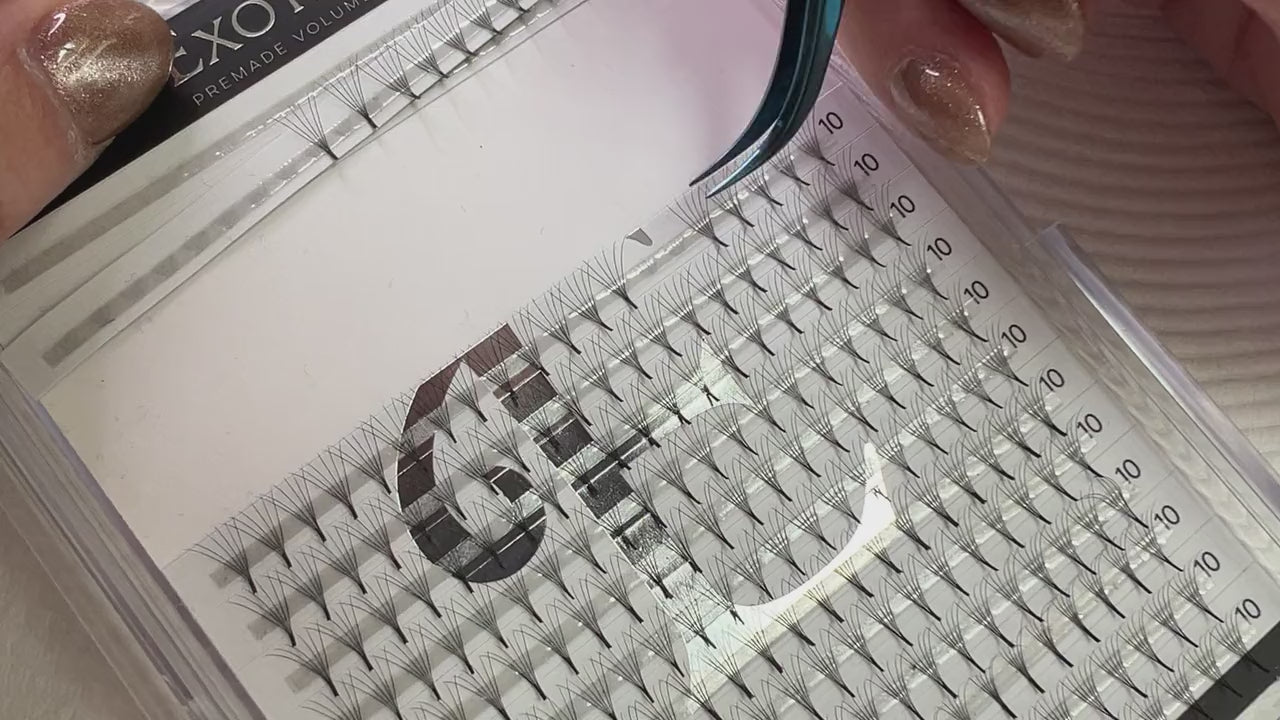
Start practising volume fans on mannequins while you continue doing individual lash clients. This lets you develop fan-making technique without the pressure of a paying client waiting. Once you can create consistent 3D-5D fans on a mannequin, offer hybrid sets to willing clients.
Hybrid sets (a mix of individuals and volume) let you ease into volume work without the full technical demand of a complete volume set. You'll learn how fans behave on real lashes and how to manage the additional weight. Complete at least 5 volume or hybrid sets on live models before offering full volume sets at regular prices.
Months 5-6: Building speed and client confidence
Focus on reducing application time while maintaining quality. Aim for individual sets under 90 minutes and volume sets under 2.5 hours. Speed comes from efficiency, not rushing. You'll naturally get faster as your hands learn the movements and you stop second-guessing your placement decisions.
Take before and after photos of every client to track your improvement and build your portfolio for social media. By month 6, you should feel confident quoting realistic prices and timeframes, and handling different lash conditions without panic.
Start Where Your Hands Are Ready, Not Where Instagram Is

Individual lashes aren't inferior. They're the foundation that makes you a skilled volume artist later. Clients care about retention and lash health, not whether you learned volume in month 1 or month 4. They care that their lashes look good and last.
Following this pathway means you'll build a sustainable skill set instead of rushing and having to relearn basics when your retention rates tank and clients stop rebooking. You'll also avoid the frustration of feeling like you should be better by now when the reality is that you skipped steps that matter.
Master individuals first. Add volume when your hands are ready. Offer both confidently. That's how you build a lash business that lasts beyond the first few months of excitement.


Leave a comment
This site is protected by hCaptcha and the hCaptcha Privacy Policy and Terms of Service apply.