
Article: The Essential Product Quality Checklist Every Lash Technician Should Use Before Purchasing

The Essential Product Quality Checklist Every Lash Technician Should Use Before Purchasing
You order supplies. They arrive. You open the adhesive mid-appointment and it's already separated. Or the lashes won't hold their curl past day three. Or the supplier ghosts you when you ask about batch codes.
This happens more than it should. Not because lash technicians are careless, but because most of us learn product quality the expensive way: through failed appointments and wasted stock.
The checklist below won't eliminate every risk. But it will stop you buying rubbish before it costs you clients.
Why Most Lash Technicians Waste Money on Their First Supply Order
First orders go wrong for predictable reasons. You're comparing prices, not products. You're trusting supplier descriptions instead of testing claims. You're ordering full stock before you've seen how anything performs on actual clients.
The pattern is always the same: attractive pricing, fast checkout, then weeks of troubleshooting retention issues or dealing with adhesive that behaves differently every time you use it.
What changes this? A quality check that happens before you commit to volume orders. Not after.
The seven points below focus on what you can verify before and immediately after purchase. Some checks happen at the supplier's website. Others happen when your sample order arrives. All of them matter more than price.
Point 1: The Adhesive Consistency Test (Before You Even Open the Bottle)
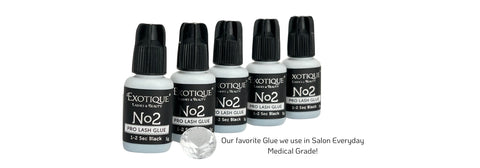
Adhesive quality determines whether your work holds or fails. But you don't need to open a bottle to spot problems.
What to Look for on the Label
Check the manufacturing date and expiry date first. If neither appears on the bottle, that's your answer. Reputable suppliers print batch codes and dates directly on the product, not just the outer packaging.
Look for storage instructions. Adhesive degrades in heat and light. If the label doesn't mention storage temperature or light protection, the manufacturer isn't taking stability seriously.
Ingredient transparency matters too. You don't need a full chemical breakdown, but cyanoacrylate type and percentage should be listed. If the label just says "professional grade adhesive" with no specifics, you're buying blind.
The Shake Test That Reveals Separation Issues
Before opening, shake the bottle gently. You should feel consistent resistance. If you hear liquid sloshing around like water, the adhesive has separated or was never properly formulated.
Good adhesive has viscosity. It doesn't move like a thin liquid. This test won't catch every problem, but it will flag adhesives that have been sitting in a warehouse too long or were poorly manufactured from the start.
Point 2: Lash Tray Packaging — The Detail That Predicts Product Quality

Packaging tells you how seriously a supplier takes contamination and product integrity. It's not about aesthetics. It's about whether the lashes you're applying have been exposed to dust, moisture, or handling damage before they reach your tweezers.
Sealed vs Unsealed Trays
Sealed trays use a protective film or lid that you remove before first use. Unsealed trays sit open in a box, relying on outer packaging alone.
Sealed trays aren't just cleaner. They protect curl shape during shipping. If lashes are bouncing around in an unsealed tray for weeks in transit, the curl can flatten or distort before you even open the box.
Check whether the seal is intact when your order arrives. If it's already peeling or damaged, the protection is gone. That's a supplier handling issue, not a manufacturing one, but it still affects what you're working with.
The Strip Adhesive Check
Most lash trays use a thin adhesive strip to hold the lash fans in place. Peel one strip off. If it leaves residue on the lashes or pulls fibres away from the band, the adhesive is too aggressive.
You'll spend extra time cleaning each fan before application. Worse, if fibres are already damaged, retention suffers because the bond surface is compromised.
Good strip adhesive releases cleanly. The lash should lift away intact, with no stickiness left behind.
Point 3: Curl Retention — The 24-Hour Finger Test
Curl drop is one of the most common complaints about cheap lash supplies. Clients book in for a dramatic C curl and leave with something closer to a J by the end of the week.
How to Perform the Test
Take a single lash from the tray. Wrap it gently around your finger to flatten the curl completely. Hold it for ten seconds, then release.
A well-manufactured lash will spring back to its original curl shape within a few seconds. If it stays flat or only partially recovers, the curl wasn't properly heat-set during production.
Now leave that same lash on your workstation for 24 hours. Test it again. If the curl has dropped further without any additional stress, the material quality is poor. It won't hold up under the weight of natural lashes, let alone exposure to oils, moisture, and daily wear.
What Curl Drop Tells You About Manufacturing
Curl retention comes down to how the synthetic fibre is treated during production. Cheap manufacturing skips or rushes the heat-setting process. The curl looks fine in the tray because the lashes haven't been stressed yet.
Once they're applied, the curl starts to relax. This isn't something you can fix with better application technique. It's a material problem.
If you're seeing consistent curl drop across multiple clients, it's not your work. It's your supplier.
Point 4: Supplier Response Time — Your Early Warning System
How a supplier handles pre-sale questions predicts how they'll handle problems after you've paid. If they're slow or vague before they have your money, they'll be worse when something goes wrong.
The Pre-Purchase Question Test
Before placing any order, send the supplier a specific question. Not "Do you have this in stock?" but something that requires product knowledge: "What's the recommended humidity range for your sensitive adhesive?" or "Do your volume fans come pre-made or hand-made?"
Time the response. If it takes more than 48 hours, that's your baseline for how long you'll wait when you need help with a faulty product.
More importantly, check the quality of the answer. If they respond with generic copy-paste text that doesn't actually address your question, they either don't know their products or don't care enough to help you choose correctly. For more detailed guidance on common lash application questions, our Articles section covers practical troubleshooting advice.
Red Flags in Communication Patterns
Watch for suppliers who dodge questions about batch codes, expiry dates, or return policies. If they respond with "all our products are high quality" instead of specifics, they're not confident in what they're selling.
Also note how they handle pushback. If you ask a second follow-up question and they become defensive or stop responding, you've learned what customer service will look like when you're dealing with a retention issue or a faulty adhesive batch.
Point 5: Batch Codes and Expiry Dates — What Fresh Stock Actually Looks Like
Batch codes exist so you can trace a product back to its manufacturing date and production run. If something goes wrong, you need to know whether it's an isolated issue or part of a larger batch problem.
Where to Find Batch Information
Batch codes should appear on the product itself, not just the outer box. For adhesives, check the bottle. For lash trays, check the individual tray packaging.
If the code is only on the shipping box, it's useless once you've opened and stored the products separately. You won't be able to match a problem product back to its batch weeks later.
Expiry dates should be printed, not handwritten. Handwritten dates suggest the supplier is relabelling old stock or doesn't have proper inventory tracking.
The 6-Month Rule for Adhesives
Unopened adhesive typically has a shelf life of six months from manufacture. Once opened, that drops to around six to eight weeks, depending on storage conditions.
If you receive adhesive with less than four months until expiry, you're getting old stock. Unless you're ordering in bulk and will use it quickly, this limits how long you can keep backup bottles on hand.
Ask suppliers about their stock rotation before ordering. If they can't tell you how old their current inventory is, they're not managing it properly.
Point 6: Sample Order Performance — Testing Before You Scale

Never place a full stock order based on product descriptions alone. Sample orders let you test real-world performance before you commit to volume pricing.
What to Include in a Test Order
Order the products you'll use most frequently: your primary adhesive, your most popular curl and length, and any tools that directly affect application quality like tweezers or gel pads.
Don't order one of everything. Focus on the core products that will make or break your client experience. If the adhesive fails, nothing else matters. If the lashes won't hold their curl, you'll lose clients regardless of how good your tweezers are.
Keep the order small enough that you won't feel pressured to use substandard products just because you've paid for them. If something doesn't perform, you need the freedom to walk away.
The Three-Client Trial Method
Use your sample products on three different clients over the course of a week. Not three appointments in one day, but three separate sessions with different natural lash types, different lifestyles, and different aftercare habits.
This gives you a realistic range of performance data. One client might have oily skin. Another might be religious about aftercare. The third might swim daily. If the products hold up across all three, you've got a reliable supplier.
If you see inconsistent results, that's a product issue, not a client issue. Don't scale your order until you've identified what's causing the variation. If you're exploring different lash styles and their specific care requirements, The Wet Look What Is It explains one popular finish and its maintenance needs.
Point 7: Return Policy Clarity — The Supplier Confidence Indicator
A supplier's return policy tells you how much they trust their own products. If they make returns difficult or impossible, they're expecting problems.
What a Fair Return Policy Includes
Look for policies that allow returns or exchanges on unopened products within a reasonable timeframe, typically 30 days. For opened products that are faulty, you should be able to return them with proof of the defect, like photos or a description of the performance issue.
The policy should specify what constitutes a valid return: manufacturing defects, incorrect items shipped, or products that don't match the description. It should also state who pays return shipping and how refunds are processed.
If the policy is vague or buried in hard-to-find fine print, that's intentional. They're making it difficult so you won't bother trying.
Warning Signs in the Fine Print
Watch for policies that exclude adhesives entirely or require you to use a product on a certain number of clients before they'll consider a return. This shifts all the risk onto you.
Also check for restocking fees. A small fee for opened products is reasonable. A 30% restocking fee on everything, including unopened items, is designed to discourage returns.
If the return policy requires you to contact customer service before returning anything, test that process before you order. Send an email asking about their return procedure. If they don't respond or give you a runaround, you'll face the same problem when you actually need to return something. For common misconceptions about lash care that might affect your client consultations, Dont Get Them Wet The Trainer Said Fact Or Fiction addresses one of the most persistent myths.
Your First Order Shouldn't Be a Gamble

Most supply problems are avoidable. Not all of them, but most.
The checks above take time. They require sample orders, testing, and sometimes walking away from suppliers who won't answer basic questions. But they're faster and cheaper than dealing with retention complaints, refunding clients, or throwing out stock that doesn't perform.
Start with small orders. Test properly. Scale only when you're confident the products will hold up under real working conditions.
Your reputation depends on what you apply to your clients' lashes. Make sure you know what you're buying before it's too late to choose something better.

Leave a comment
This site is protected by hCaptcha and the hCaptcha Privacy Policy and Terms of Service apply.