
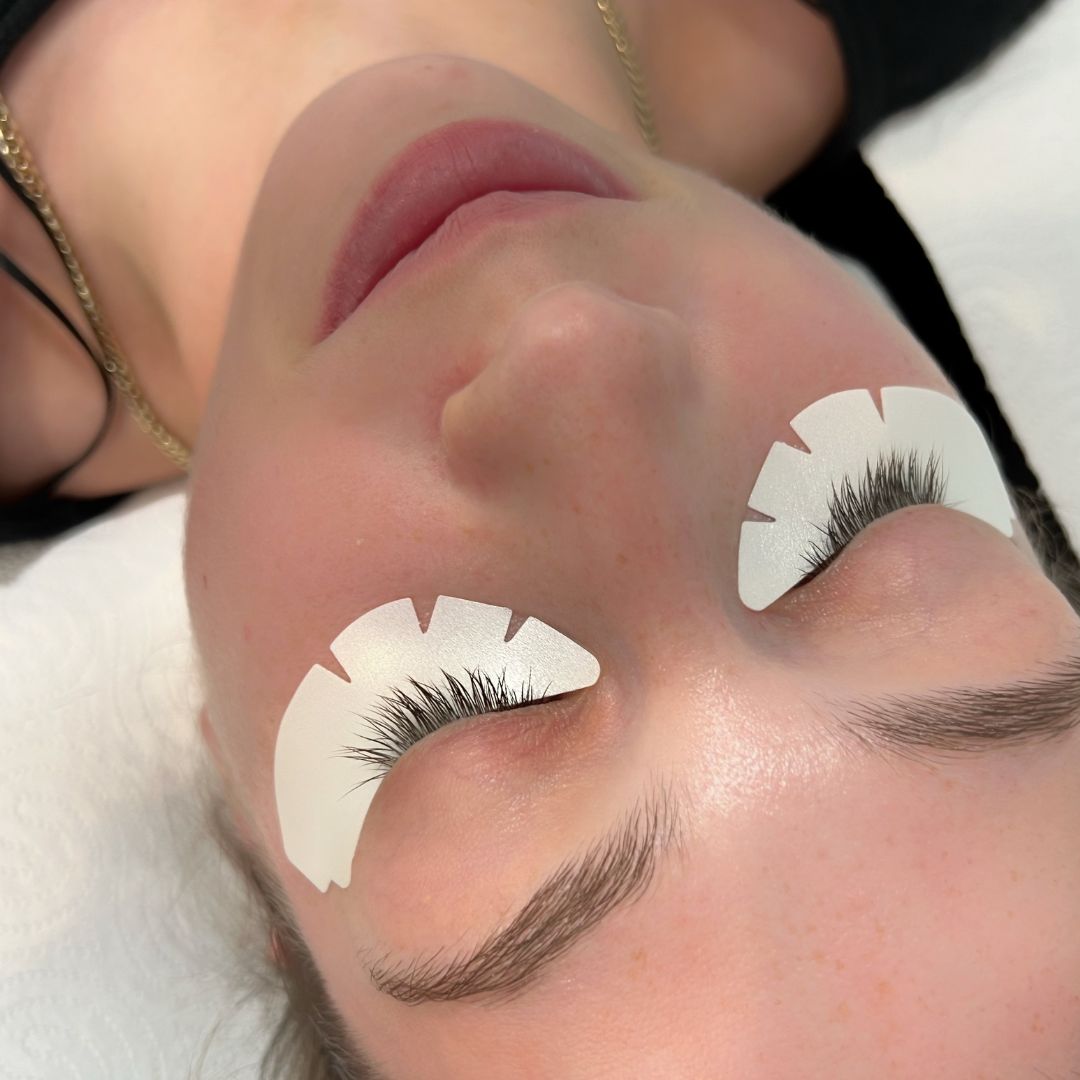
Classic vs Volume Lashes: What Every Lash Client & Beginner Lash Tech Should Know
When you start lash training, you'll encounter two main extension techniques: classic and volume. This isn't about choosing which one you prefer. It's about understanding which one you need to learn first, and why that order matters for your clients' safety.
Most courses teach classic before volume for specific technical reasons. Skip that sequence, and you'll struggle with both techniques. Worse, you'll risk damaging your clients' natural lashes before you've built the foundational skills that prevent it.
What You're Actually Choosing Between

New students often think they're choosing between two equally accessible techniques. That's not quite right. You're looking at two different skill levels that build on each other.
Think of it like learning to drive. You don't start with motorway merging. You begin in a car park, mastering clutch control and steering before you add speed and traffic. Classic lashes are your car park. Volume is the motorway.
The difference isn't about one being better. It's about which skills you need in place before you can safely execute the other. For more guidance on building your lash knowledge, check out our Articles section.
One lash vs multiple: the core technique difference
Classic technique means applying one extension to one natural lash. Volume means applying multiple extensions (typically 2-6) to one natural lash.
Picture it: with classic, you're isolating a single natural lash and attaching a single extension. With volume, you're isolating that same natural lash, but now you're attaching a handmade fan of multiple ultra-fine extensions.
This fundamental difference cascades into everything else: how long the application takes, how much skill you need, and how easily you can damage the natural lash if you get it wrong.
What this means for application time and client comfort
Classic sets typically take 90-120 minutes when you're starting out. Volume takes 120-180 minutes.
That extra hour matters. Your client is lying still with their eyes closed. The longer they're on your bed, the more uncomfortable they become. They shift. They tense up. Your working conditions get harder.
More importantly, rushed volume work is where most lash damage happens during training. You're trying to create fans, maintain isolation, and manage adhesive timing all at once. When you rush, corners get cut. Lashes get stuck together. Clients leave with damage you won't see until days later when their lashes start shedding prematurely.
Speed comes with practice. Don't chase it early.
Why Classic Lashes Are Your Starting Point

Every reputable course teaches classic first. Not because it's easier. Not because volume is more advanced in some abstract way. Because classic builds the specific skills that keep volume work safe.
If you're more excited about volume, that's fine. Most students are. But skipping classic training leads to poor volume technique and preventable client damage. You're not building a foundation. You're trying to build a second storey without ground-floor walls.
The isolation skill you must master first
Isolation means separating one natural lash from all the surrounding lashes before you apply an extension. You hold it away from its neighbours so the extension only bonds to that single lash.
When isolation fails, extensions stick to multiple natural lashes. Those lashes are now glued together. As they grow and shed at different rates, they pull on each other. That causes breakage, discomfort, and gaps in the lash line.
Classic gives you 50-100 chances per set to practice isolation. Just isolation. You're not also trying to make fans or manage multiple extension weights. You're learning to see individual lashes, hold them steady, and work without disturbing the ones next to them.
This skill takes weeks of practice to master. There's no shortcut.
Lower adhesive load means safer learning curve
Classic uses less adhesive per lash. When you make a mistake (too much glue, touching the skin, sticking lashes together), the consequences are less severe.
Beginners make predictable errors. You'll use too much adhesive. You'll place extensions too close to the lash line. You'll accidentally bond neighbouring lashes.
With classic, these mistakes are fixable and less damaging. With volume, the same errors affect multiple extensions at once. A closed fan that hasn't properly fanned out can stick three or four natural lashes together. That's significantly harder to correct and causes more damage.
Classic isn't risk-free. But it's the smart starting point because your inevitable mistakes have smaller consequences.
When clients actually want classic over volume
Classic isn't a stepping stone you abandon once you learn volume. It's a professional skill with real, ongoing demand.
Clients with naturally full lashes don't need volume. They want length and definition without added density. First-time clients often prefer classic because it's less dramatic and helps them adjust to wearing extensions. Professional workplaces sometimes require a more natural look. Clients with sensitive eyes may find the lighter weight of classic more comfortable.
Many clients prefer classic long-term. It requires less maintenance, grows out more naturally, and costs less per appointment. Don't think of it as the boring option. It's a core service that will make up a significant portion of your bookings.
What Makes Volume Lashes Harder (And Riskier)

Volume requires every skill you learned in classic, plus additional technical skills that take months to develop. This isn't meant to discourage you. It's meant to prepare you for the reality of the learning curve.
Poor volume technique is the leading cause of lash damage in the industry. Not because volume is inherently dangerous, but because it's technically demanding and students often attempt it before they're ready.
The fan-making skill that takes months to develop
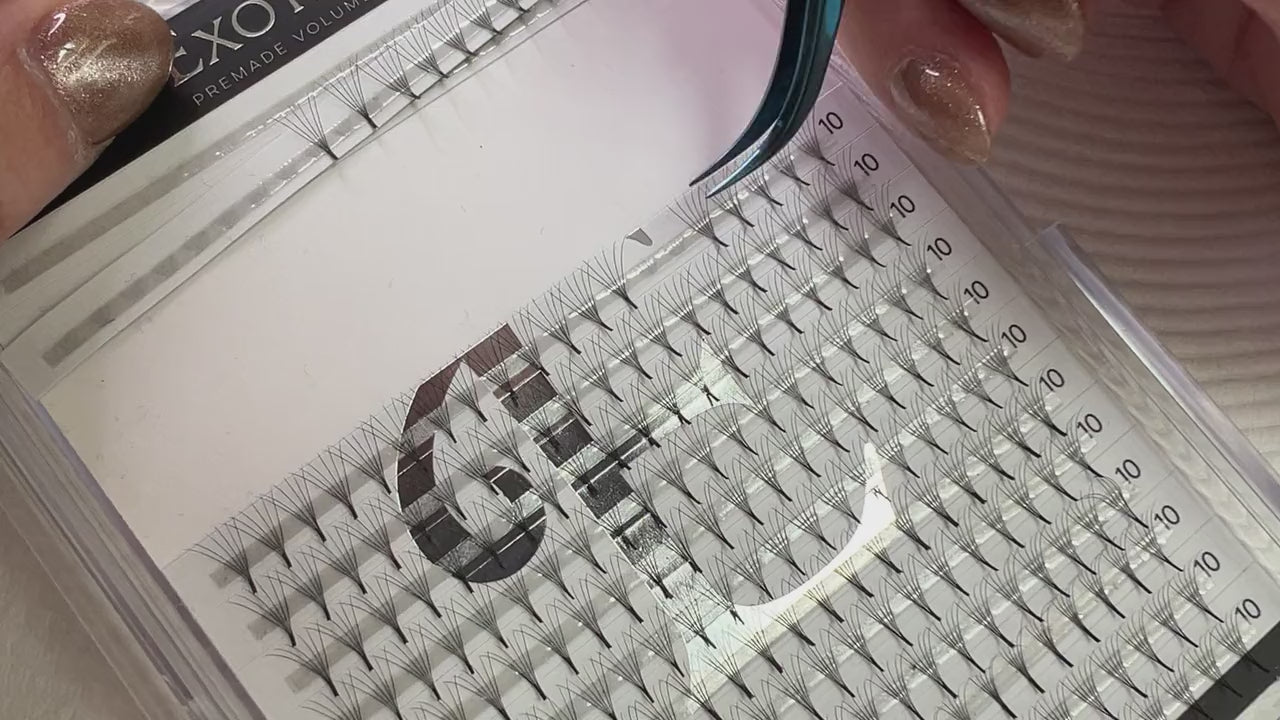
Creating a volume fan means picking up 2-6 individual lashes and fanning them into a symmetrical bouquet with even spacing. The base needs to be tight. The tips need to spread evenly. Every fan needs to look identical.
Inconsistent fans create uneven looks. Some lashes point in different directions. Some fans are too tight and don't create the fluffy effect clients expect. Poor fans also have worse retention because the weight distribution is off.
Students typically need 20-30 practice sets before their fans become consistent. That's practice sets, not client sets. You'll spend hours making fans on practice strips before you should attempt them on a real person.
How poor volume technique damages natural lashes
The most common damage comes from closed fans. You think you've created a proper fan, but the lashes haven't separated at the base. When you apply it, you've essentially glued multiple natural lashes together.
Those natural lashes are now stuck. As they grow and shed on their natural cycle, they pull against each other. Clients feel tugging. Lashes break or shed prematurely. The damage often isn't visible during application. It shows up three to five days later when the client notices excessive shedding or discomfort.
Another issue: fans that aren't properly fanned create tension points on the natural lash. Instead of the weight distributing evenly, it concentrates at specific spots. That causes the natural lash to bend or break under stress it wasn't designed to handle.
Weight distribution mistakes that cause breakage
Volume fans must use thinner lashes than classic. Typically 0.03-0.07mm diameter. That's because you're applying multiple extensions to one natural lash, and the total weight adds up.
When students use classic-weight lashes (0.10-0.15mm) for volume work, they overload the natural lash. It can't support that weight. The natural lash bends, breaks, or sheds prematurely. Clients end up with sparser natural lashes than they started with.
The rule: total fan weight should never exceed what the natural lash can comfortably support. For most natural lashes, that's roughly equivalent to a 0.15mm classic extension. A 5-lash fan using 0.07mm extensions is pushing that limit. A 5-lash fan using 0.10mm extensions will cause damage.
Your First 50 Sets: Which Technique to Practice

Master classic on at least 20-30 client sets before you attempt volume on paying clients. That's not an arbitrary number. It's roughly how long it takes to build muscle memory, develop consistent speed, and internalise the safety habits that prevent damage.
Those first sets teach you how to maintain focus for 90+ minutes, how to manage adhesive timing, how to keep your workspace organised, and how to spot problems before they become damage. You need those habits automatic before you add the complexity of fan-making.
You can practice volume fans separately while you're building classic experience. Spend 20-30 minutes a day making fans on practice strips. Get comfortable with the hand movements. Build consistency. Just don't combine that with client work until your classic technique is solid.
Both techniques are valuable professional skills. Classic will always be in demand. Volume opens up additional services and higher price points. They're both worth the practice time. Just learn them in the right order.

Leave a comment
This site is protected by hCaptcha and the hCaptcha Privacy Policy and Terms of Service apply.