
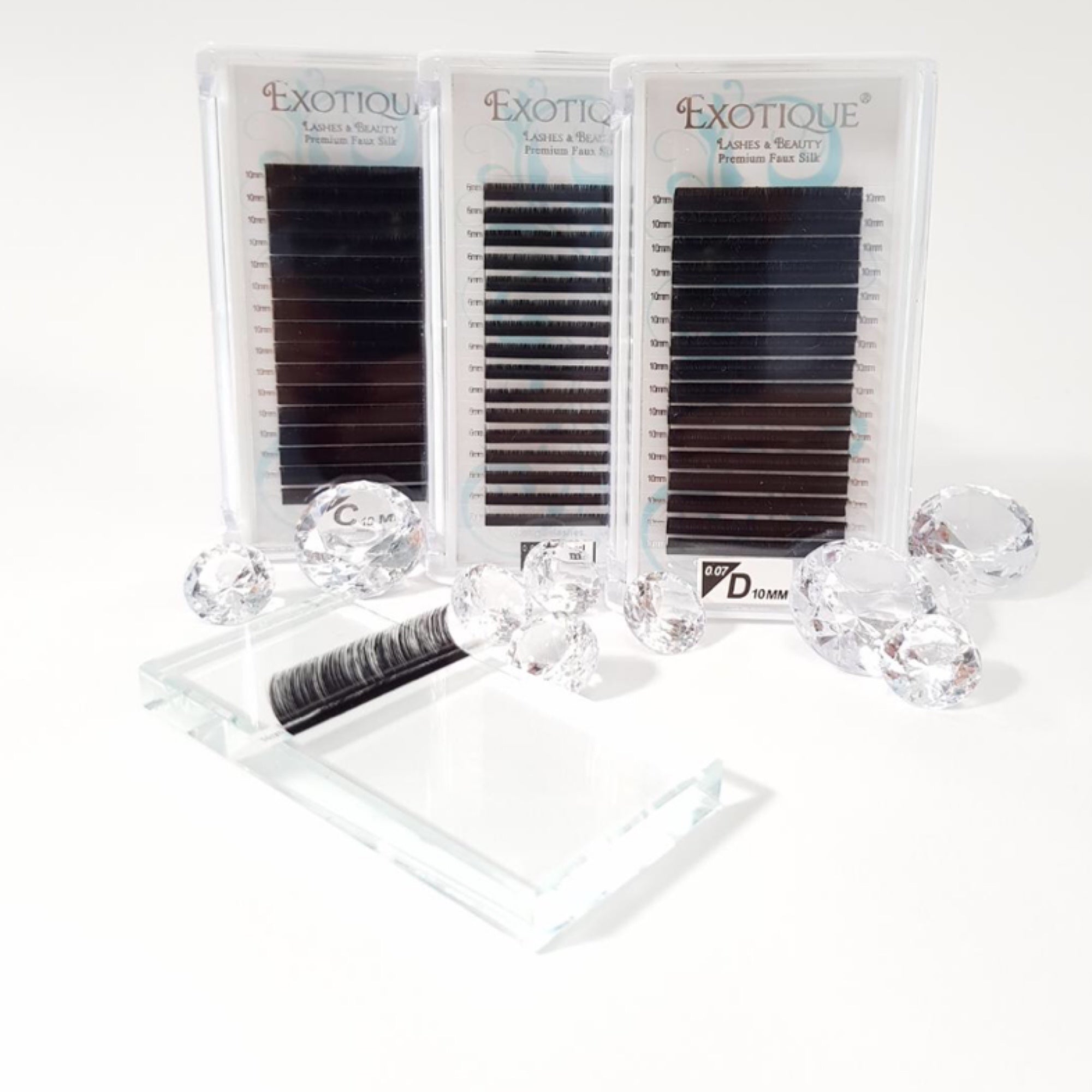
Why Your Lash Extensions Are Falling Out Early (And How to Fix Retention Properly)
You get the text five days after the appointment: "Half my lashes are already gone. What happened?"
Your stomach drops. You know what comes next. A refund request. A bad review. A client who won't rebook and probably won't recommend you either.
Poor retention doesn't just cost you one appointment. It costs you the lifetime value of that client, the referrals they would have sent, and the time you'll spend finding someone new to replace them. This isn't about perfection. It's about fixing the specific, recurring problems that are sabotaging your retention rates right now.
What follows are the actual causes and the fixes you can implement this week. No theory. No vague advice about "doing better." Just the technical mistakes, product failures, and environmental factors that are costing you clients.
The Retention Problem That's Costing You Clients
Here's the reality: acquiring new customers can cost 5 to 25 times more than retaining existing ones. Every client who doesn't rebook because their lashes fell out early forces you back into the expensive cycle of marketing, consultations, and first-time appointments.
Poor retention creates a vicious loop. Clients leave. You scramble to fill your calendar. You drop your prices or offer discounts to attract new people. Those new clients experience the same retention problems. They leave too.
How many clients have you lost because their lashes didn't last?
The problems fall into three categories: what you're doing during application, the products you're using, and environmental factors you may not be monitoring. Most retention failures come from one of these areas. Fix them systematically and you'll stop losing clients.
Application Mistakes That Sabotage Retention

This is where most retention problems start. Even experienced techs develop bad habits over time, especially when they're rushing or working under pressure. You might have done thousands of sets, but if you've picked up one of these habits, your retention will suffer regardless of your experience level.
Three specific mistakes cause the majority of application-related retention failures. If you're seeing consistent early shedding, start here.
Poor Isolation Creating Weak Bonds
When lashes stick together, the combined weight pulls extensions off prematurely. It's physics. One natural lash can't support the weight of two or three extensions bonded together.
Here's your check: can you slide a micro brush between each extension after application? If you can't, you've got stickies.
The fix isn't just "isolate properly." Slow down. Use better isolation tweezers with a finer tip. Check every 5-10 lashes as you work, not just at the end. If you're consistently finding stickies during your final check, you're working too fast or your isolation technique has degraded. For more guidance on lash application techniques, check out our Articles section.
Adhesive Placement Too Close to the Lid
The rule is 0.5-1mm from the lash line. Closer than that and you're placing adhesive where oils from the skin will break down the bond faster. You're also risking irritation, which makes clients rub their eyes and lose lashes even quicker.
What happens physically: skin oils migrate along the natural lash. If your adhesive is too close, those oils reach the bond within days instead of weeks. The extension slides off.
Use a magnifying lamp. Check your placement every few lashes, not just occasionally. If your client's eyes are consistently watering during application, you're too close. Adjust your angle and placement immediately.
Rushing Through Cure Time
Adhesive needs time to polymerise properly. If you're telling clients they can get their lashes wet after 4 hours, you're setting them up for failure. The bond isn't fully cured yet.
Are you booking appointments too close together and cutting corners on aftercare instructions because you're running late?
Wait at least 24-48 hours before clients get lashes wet. Build this into your aftercare instructions and your appointment scheduling. If you're consistently running over time, you need to adjust your booking intervals, not rush the cure process. Our article on Dont Get Them Wet The Trainer Said Fact Or Fiction covers this in more detail.
Product Choices That Set You Up to Fail

Perfect technique won't fix problems caused by wrong or degraded products. You can isolate flawlessly and place adhesive at the perfect distance, but if your adhesive is expired or mismatched to your room conditions, retention will still fail.
Products are an investment, not an expense. Cheap adhesive costs you clients. That's more expensive than buying quality products in the first place.
Wrong Adhesive for Your Room Conditions
Adhesives are formulated for specific humidity and temperature ranges. A fast-drying adhesive designed for 60-70% humidity will struggle in a dry room at 40% humidity. It'll cure too slowly, creating weak bonds.
Do you actually know your room's humidity level, or are you guessing?
Buy a hygrometer. They cost $10-15. Measure your conditions for a week. Then match your adhesive to those conditions. If your room sits at 45-55% humidity, you need a different adhesive than someone working at 60-70%. Many techs have never checked their room conditions. They're using adhesive based on what their supplier recommended or what another tech uses, without knowing if it matches their environment.
Expired or Improperly Stored Adhesive
Adhesive degrades quickly. Unopened bottles last six months maximum. Once opened, you've got 4-6 weeks before performance drops.
When did you open that bottle? Can you remember?
Storage mistakes accelerate degradation: keeping adhesive in direct sunlight, warm areas, or not sealing the bottle properly between uses. Write the opening date on every bottle with a permanent marker. Store adhesive in a cool, dark place. Use silica gel packets in your storage container to control moisture.
Here's your test: if adhesive is stringy or slow to dry, it's degraded. Bin it. Don't try to make it work. You'll waste time and lose clients trying to salvage a $30 bottle.
Lash Extensions That Don't Match Natural Lash Strength
Putting 0.15mm extensions on fine natural lashes causes premature shedding. The natural lash can't support the weight. It falls out early, taking your extension with it.
This isn't about what the client wants. It's about what their natural lashes can physically support.
Assess each client's natural lashes before choosing diameter and length. If natural lashes are fine, stay with 0.07-0.10mm extensions maximum. Educate clients on why lighter is better. Their lashes will last longer, look fuller for longer, and they'll rebook. That's better than giving them heavy extensions that fall out in a week.
Environmental Factors You're Overlooking

Photo by FOX ^.ᆽ.^= ∫ on Pexels
These are factors outside your direct control during application, but they still impact retention significantly. Awareness helps you troubleshoot problems and educate clients on what's happening.
Humidity and Temperature Swings
Seasonal changes affect adhesive performance. Winter heating dries the air. Summer increases humidity. Your adhesive that worked perfectly in March might struggle in July.
Have you noticed retention problems starting at specific times of year?
Monitor conditions weekly, not just once. Adjust your adhesive choice seasonally. Keep two adhesives on hand for different conditions rather than struggling with one formula year-round. It's worth noting that external factors like seasonality make retention difficult to measure accurately, so track patterns over months, not weeks.
Client Aftercare Failures
Common client mistakes: getting lashes wet too soon, using oil-based products, sleeping face-down, not cleaning lashes properly. Poor aftercare is a leading cause of retention problems, and poor customer service and unresolved issues cause churn across all industries.
This isn't about blaming clients. It's about recognising that you need to educate them better.
Give written aftercare instructions. Follow up 24 hours after the appointment. Ask specific questions about their routine: "Are you cleansing your lashes daily with a lash-safe cleanser?" Most clients won't volunteer that they're using micellar water or sleeping on their face. You need to ask directly.
Your Retention Troubleshooting Checklist

Start with application technique. Check for stickies. Verify your adhesive placement. Confirm you're giving proper cure time instructions.
Move to products. Check the date on your adhesive bottle. Measure your room's humidity and temperature. Confirm your adhesive matches those conditions. Assess whether you're using appropriate extension weights for each client's natural lashes.
Finally, examine environment and aftercare. Review seasonal patterns in your retention rates. Ask clients detailed questions about their aftercare routine. Provide written instructions and follow up.
Keep notes on which clients have retention issues and what you changed to fix it. Measuring value indicators like retention patterns provides better insights than just focusing on the problem without tracking solutions.
Fixing retention is about systematic troubleshooting, not guesswork. Implement one change this week. Track the results. Adjust based on what you learn. That's how you stop losing clients and start building a sustainable lash business.

Leave a comment
This site is protected by hCaptcha and the hCaptcha Privacy Policy and Terms of Service apply.